
Understanding the Use of Different Asphalt Mixtures
Maintaining roads is crucial to ensure safe travel. One common method for fixing roads is using asphalt patches. There are two main types: cold mix and hot mix. Each type has its own uses, benefits, and challenges. Understanding these differences can help in choosing the right option for your needs. This article explores both cold and hot mix to help you make an informed decision.
Introduction to Cold Mix
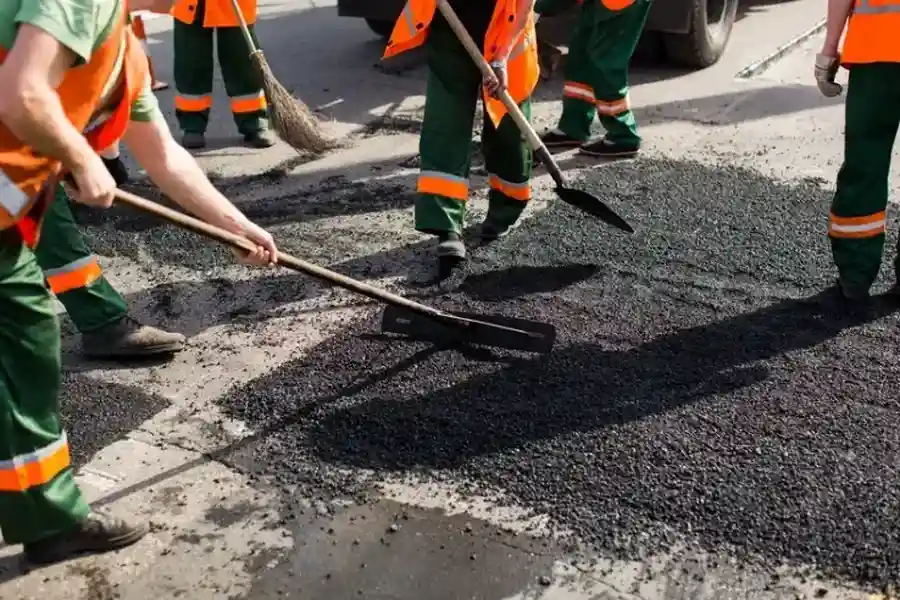
Cold mix is a popular choice for quick fixes on roads. It is easy to use because it does not require heating before application. This makes it ideal for small repairs or temporary solutions. You often see cold mix used when weather conditions do not allow for hot mix applications.
Advantages of Using Cold Mix
Cold mix offers several benefits. Firstly, it’s convenient as it can be stored and used at any time. Secondly, it works well in varying weather conditions. Thirdly, it’s cost-effective, making it suitable for budget-conscious projects. However, it may not last as long as hot mix, especially in high-traffic areas.
Challenges With Cold Mix
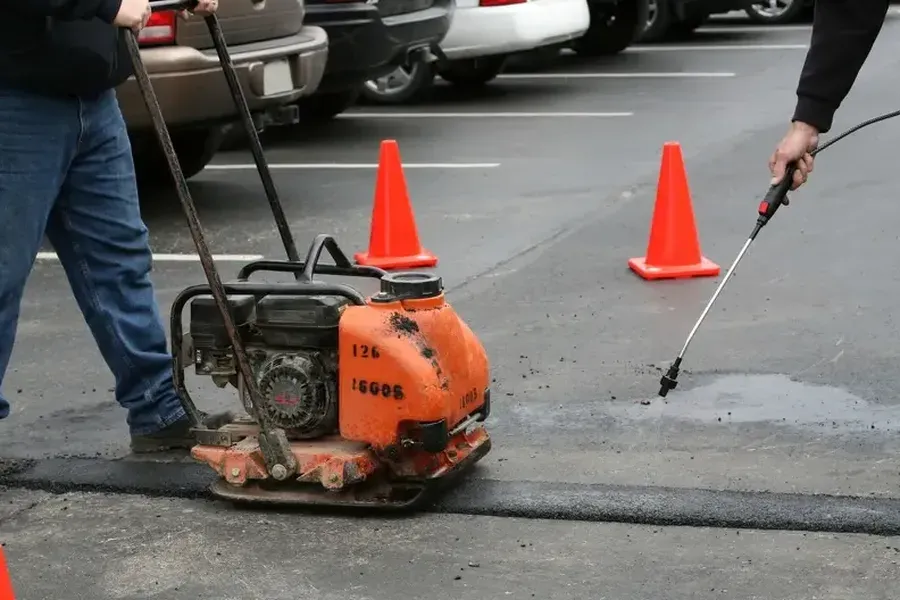
There are some drawbacks to using cold mix. Its durability is less compared to hot mix, which means it requires more frequent maintenance. Additionally, cold mix might not bond well with existing road materials, leading to quicker wear and tear. Despite these issues, it serves as a good temporary fix.
Exploring Hot Mix
Hot mix is another option for repairing roads. It is used when a more permanent solution is needed. This mixture is heated before application, allowing it to bond better with the surface. It is ideal for heavily trafficked roads where durable repairs are essential.
Benefits of Hot Mix
The main advantage of hot mix is its longevity. Once applied, it forms a strong bond with the surface that can withstand heavy traffic and harsh weather conditions. It also provides a smoother finish compared to cold mix, enhancing the overall road quality.
Considerations When Using Hot Mix
While hot mix has many advantages, there are considerations to keep in mind. The application process is more complex and requires specialized equipment and skilled workers. It also depends on favorable weather conditions since the mixture must remain warm during application.
Choosing the Right Method
- If you need a quick fix during winter, cold mix might be your best option.
- For long-lasting repairs during warm months, consider using hot mix.
- Evaluate the traffic load on the area needing repair; heavier traffic may necessitate hot mix.
- Check your budget; hot mix can be more expensive due to the need for specialized labor and equipment.
A Closer Look at Asphalt Patching Differences
The differences between cold and hot mix methods revolve around usage scenarios and longevity. Deciding on which type of Asphalt Patching suits your project depends on factors like location, traffic load, and budget constraints. Always assess the specific requirements of the patching task at hand before making a decision.
Final Thoughts on Choosing Asphalt Solutions
Deciding between cold and hot mix involves weighing various factors such as cost, durability, and application conditions. Both methods have their place in road maintenance strategies. For expert advice tailored to your project’s needs, contact Silver Dollar Paving at (702) 782-3539. Located in Las Vegas, NV, we specialize in providing effective road repair solutions that meet industry standards.